Trees
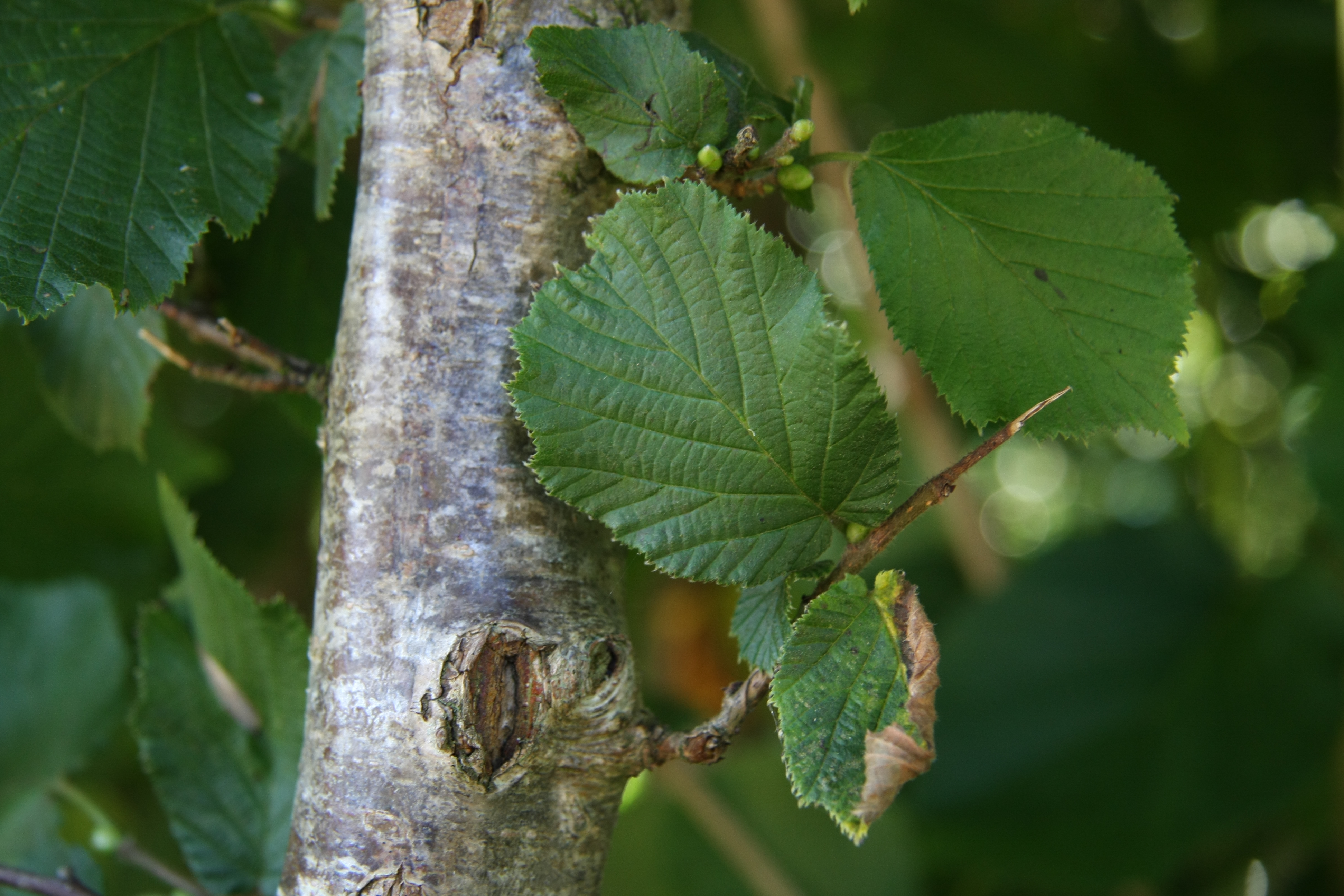 Hazel
(Corylus avellana)
Hazel
(Corylus avellana)
One of the main tree species in the wood. Most of it seems to be
due to natural regeneration. The nuts are invaluable food to a
number of species.
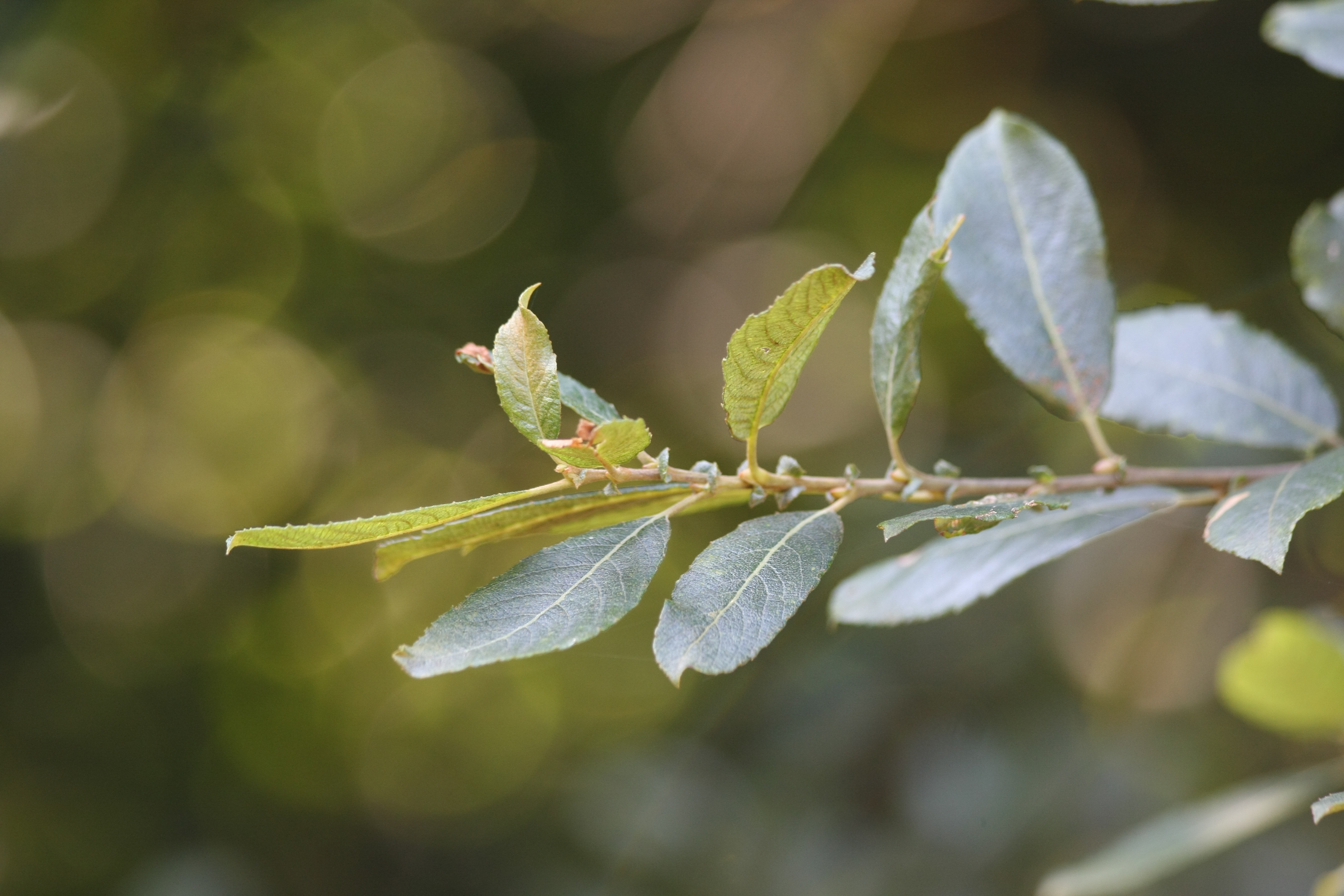 Pussy Willow / Goat Willow / Sallow
(Salix caprea)
Pussy Willow / Goat Willow / Sallow
(Salix caprea)
The common name of Goat Willow comes from the fact that goats are
particularly partial to the young leaves of this tree. These willows
are dotted all over the wood.
Beech
(Fagus sylvatica)
Another of the primary species in the wood. Most of them are relatively
young, although there are still a few mature specimens towards the
valley. There is a very large, mature Beech at Fernbank, which is
rather close to the site of the cabin. This is a slight concern given
the Beech tree's reputation for dropping large branches without warning.
Hornbeam
(Carpinus betulus)
Silver Birch
(Betula pendula)
Being a colonisation species it's hardly surprising that these are
widespread within the wood. The bark can be used as a firelighter due
to its high oil content.
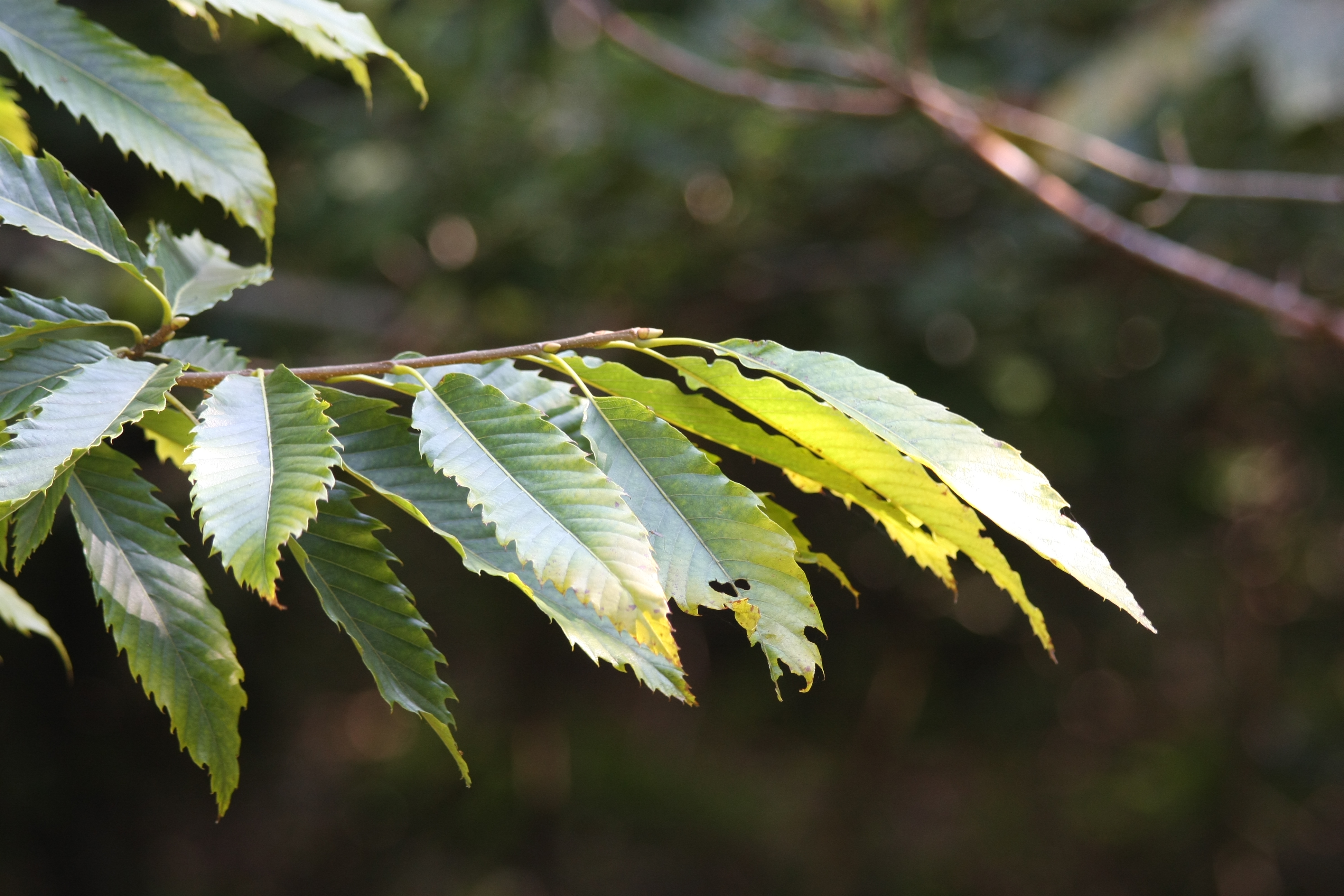 Sweet Chestnut
(Castanea sativa)
Sweet Chestnut
(Castanea sativa)
There are quite a number of these scattered throughout the wood, and
I'm hoping to find an area where they can be coppiced. I haven't yet
been able to collect any of the nuts as they have been poor in recent
years, and most of the trees are on the edge of the valley, and so
hard to get too.
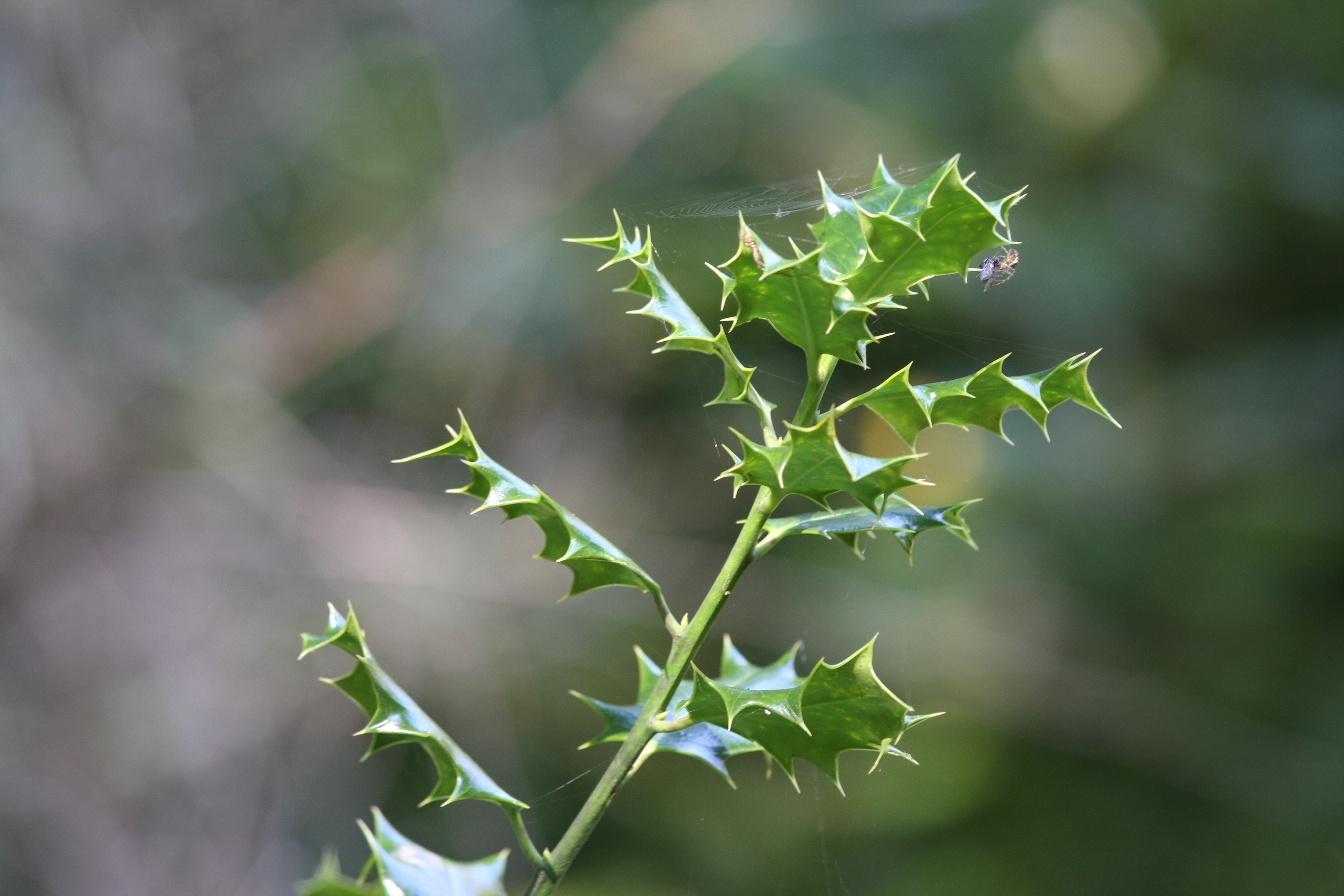 Holly
(Ilex acquifolium)
Holly
(Ilex acquifolium)
Possibly the most recognisable tree of them all. Growing as an
understorey it grows widely within the valley. There are two large
trees near to the campsite, giving it its name The Hollies.
Cherry Laurel
(Prunus avium)
Scots Pine
(Pinus sylvestris)
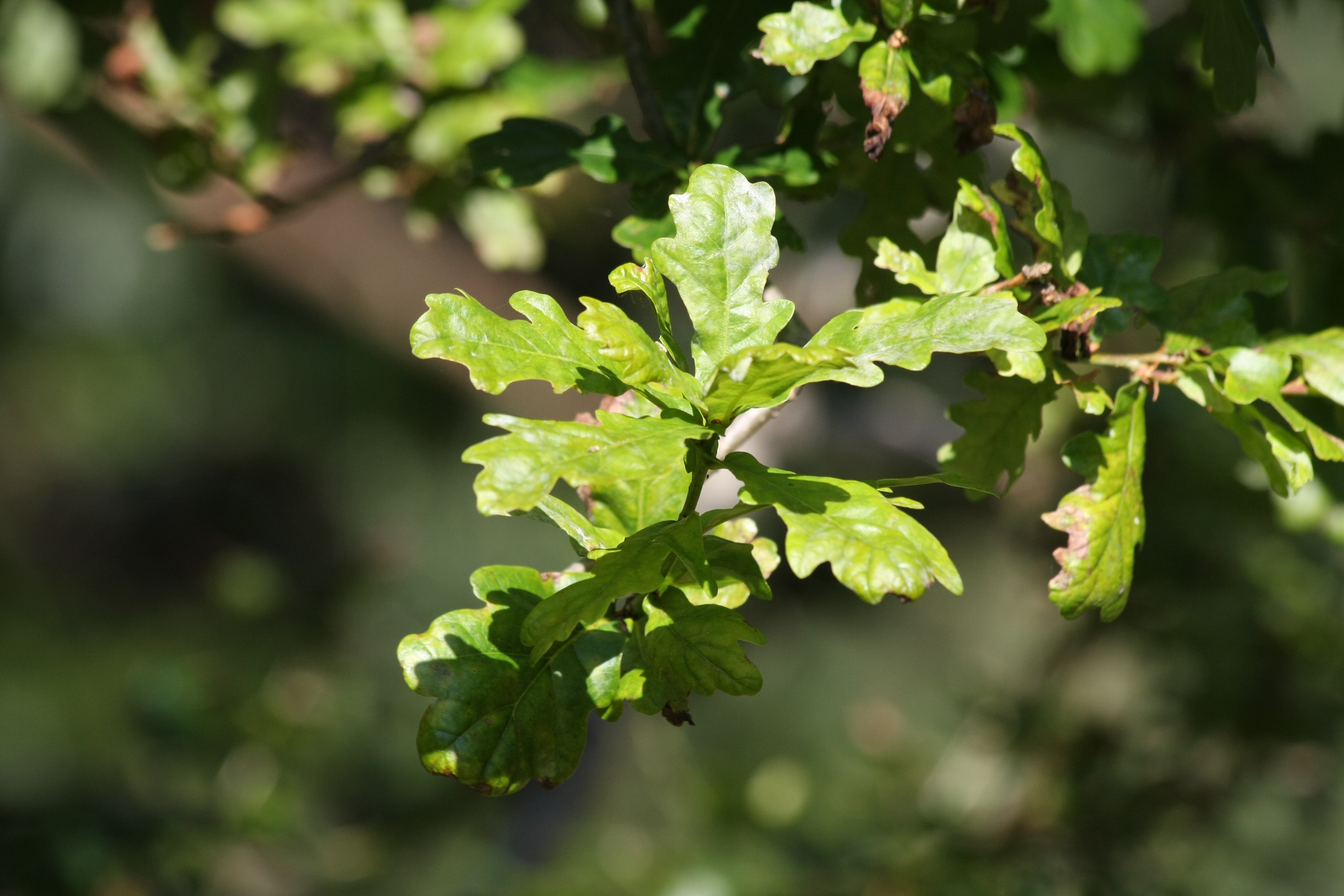 English / Pedunculate Oak
(Quercus robur)
English / Pedunculate Oak
(Quercus robur)
In my opinion the most noble of trees. It is home to hundreds of
species of insects, and is vital to many others. Another of the
predominant species within the wood, there are large numbers of both
mature and young trees.
Sessile Oak
(Quercus petraea)
Ash
(Fraxinus excelsior)
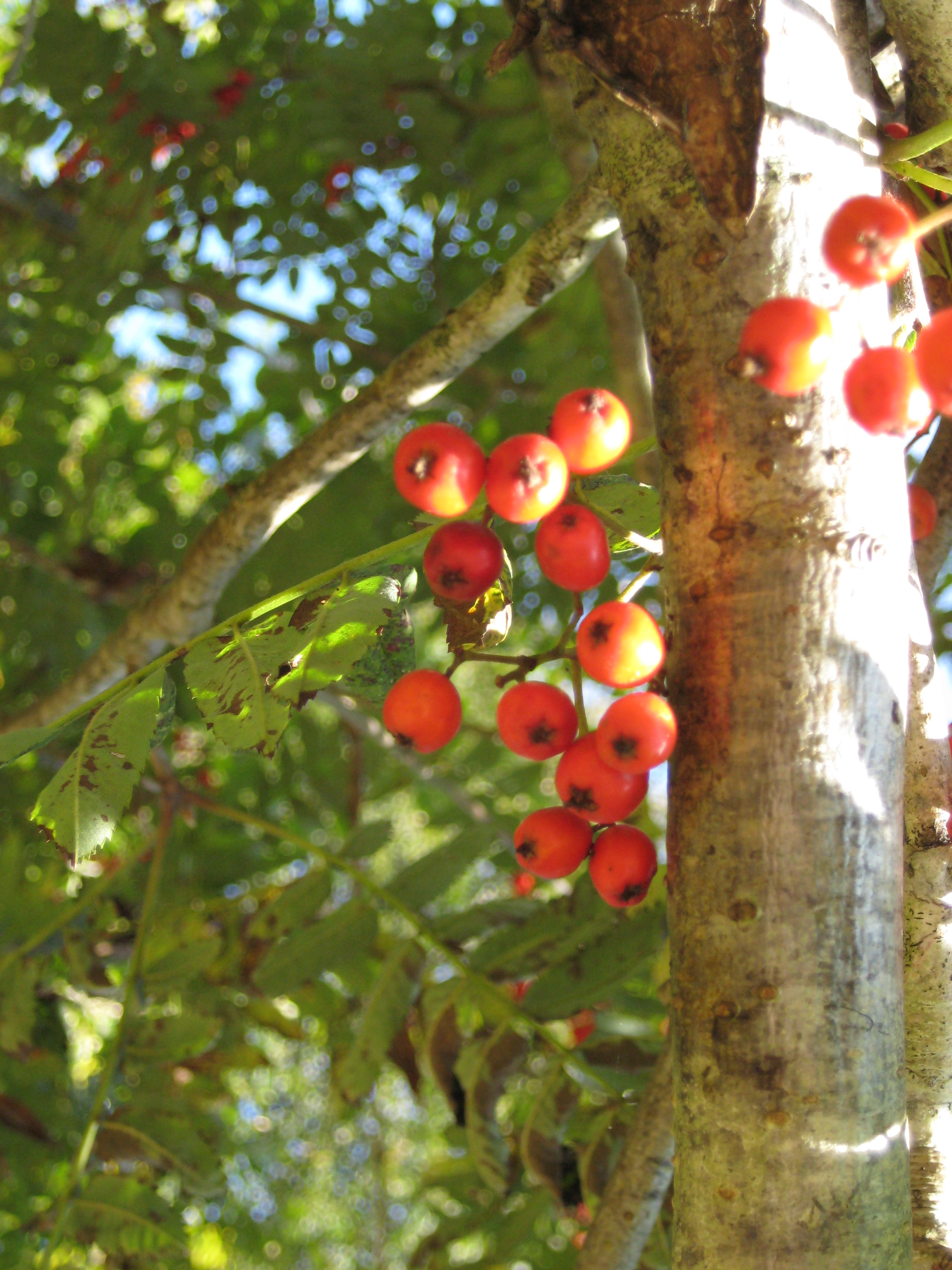 Mountain Ash / Rowan
(Sorbus aucuparia)
Mountain Ash / Rowan
(Sorbus aucuparia)
Widespread throughout the wood, they are easy to recognise from
their distinctive leaves and berries.
Hawthorn
(Crataegus monogyna)
Shrubs & Climbers
Laurel
(Prunus laurocerasus)
Dogwood
(Cornus sanguinea)
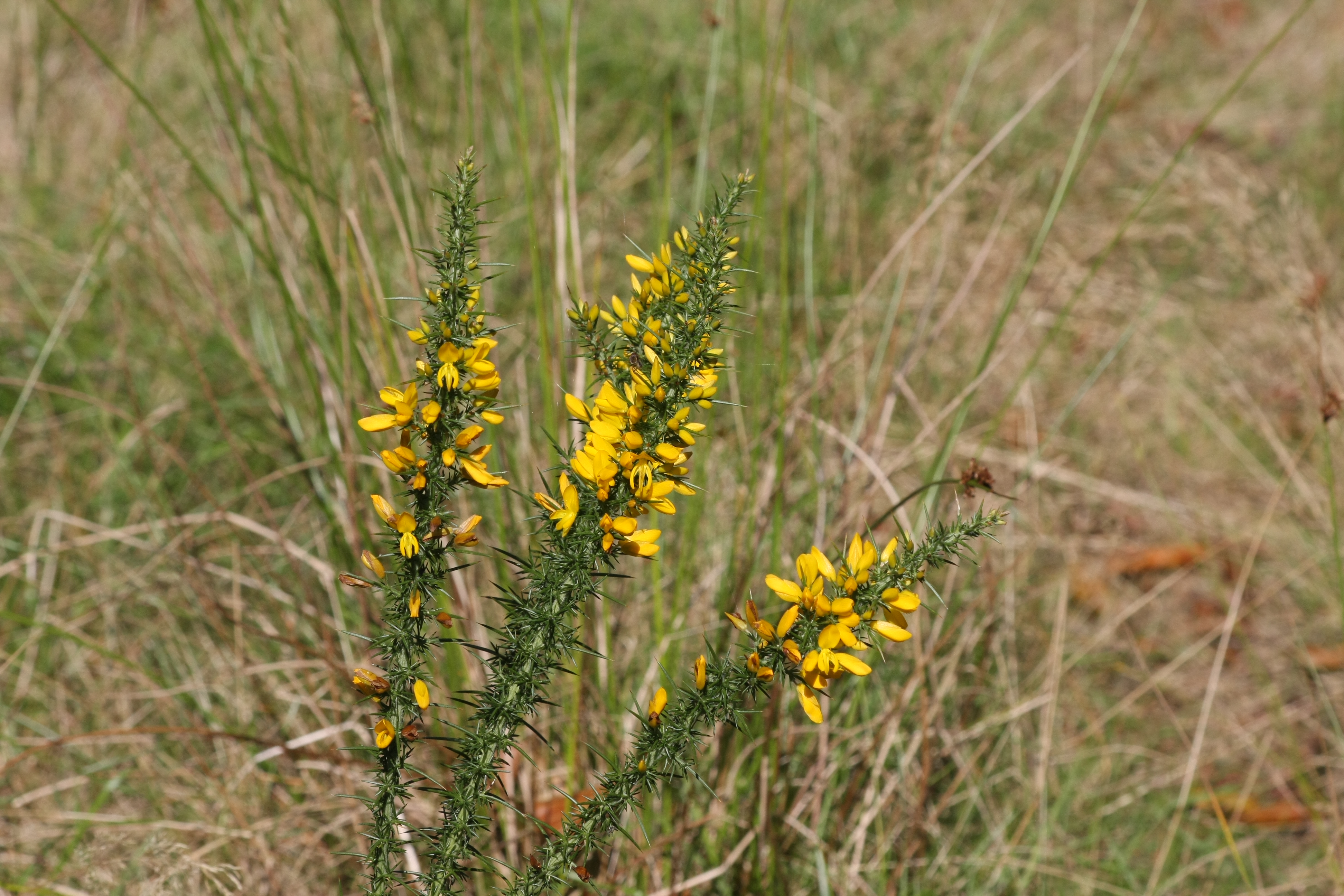 Gorse
(Ulex europaeus)
Gorse
(Ulex europaeus)
An invasive species, this rapidly colonises any area where the sun
reaches the ground. It may not be my favourite of species, but many
insects feed on its nectar, and when dried it makes excellent
kindling.
Honeysuckle
(Lonicera)
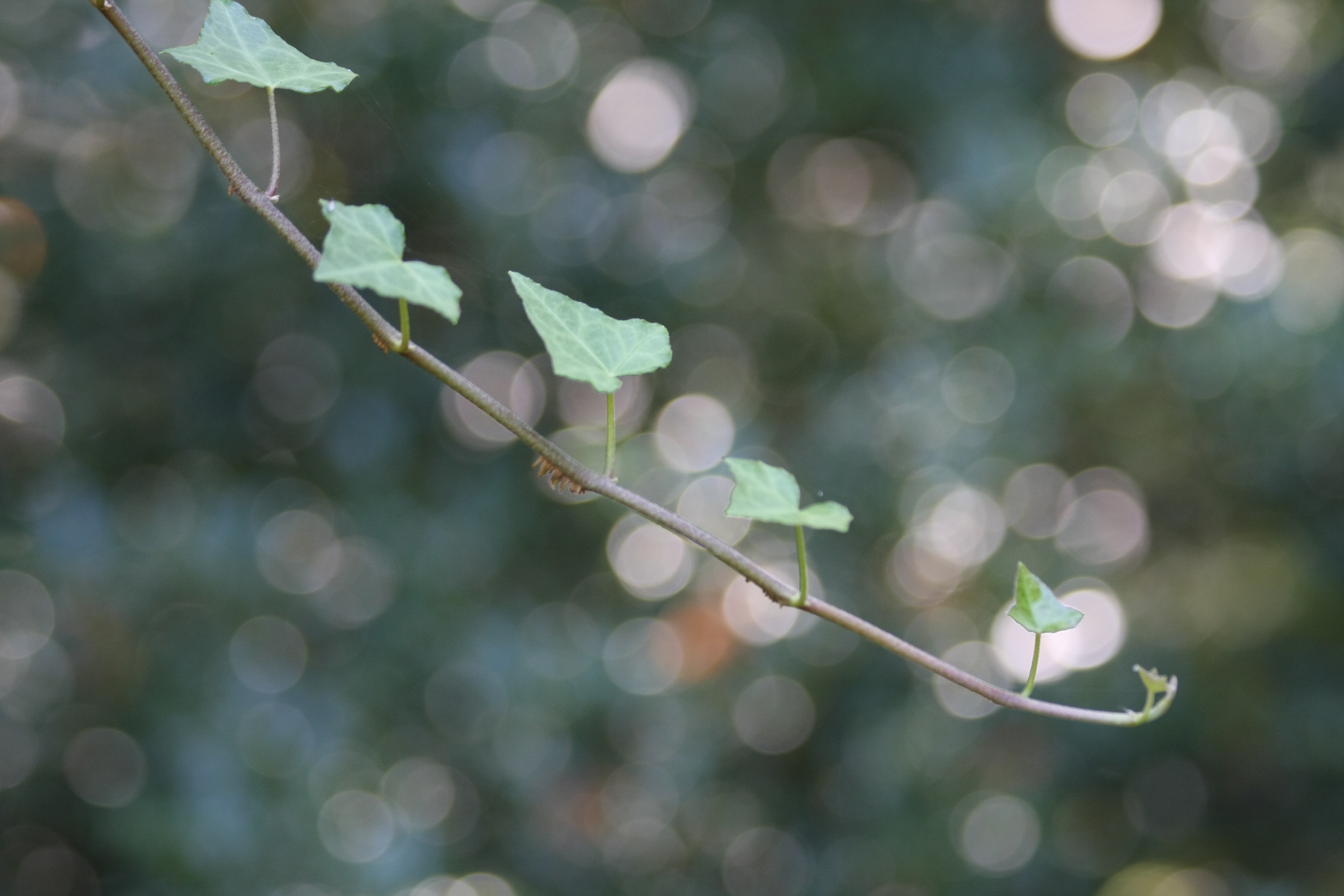 Ivy
(Hedera)
Ivy
(Hedera)
Easily recognised it makes it home on the trunks of many mature
trees. Far from being a parasite, it provides a safe place for many
birds to nest, and also for the rare Dormouse.
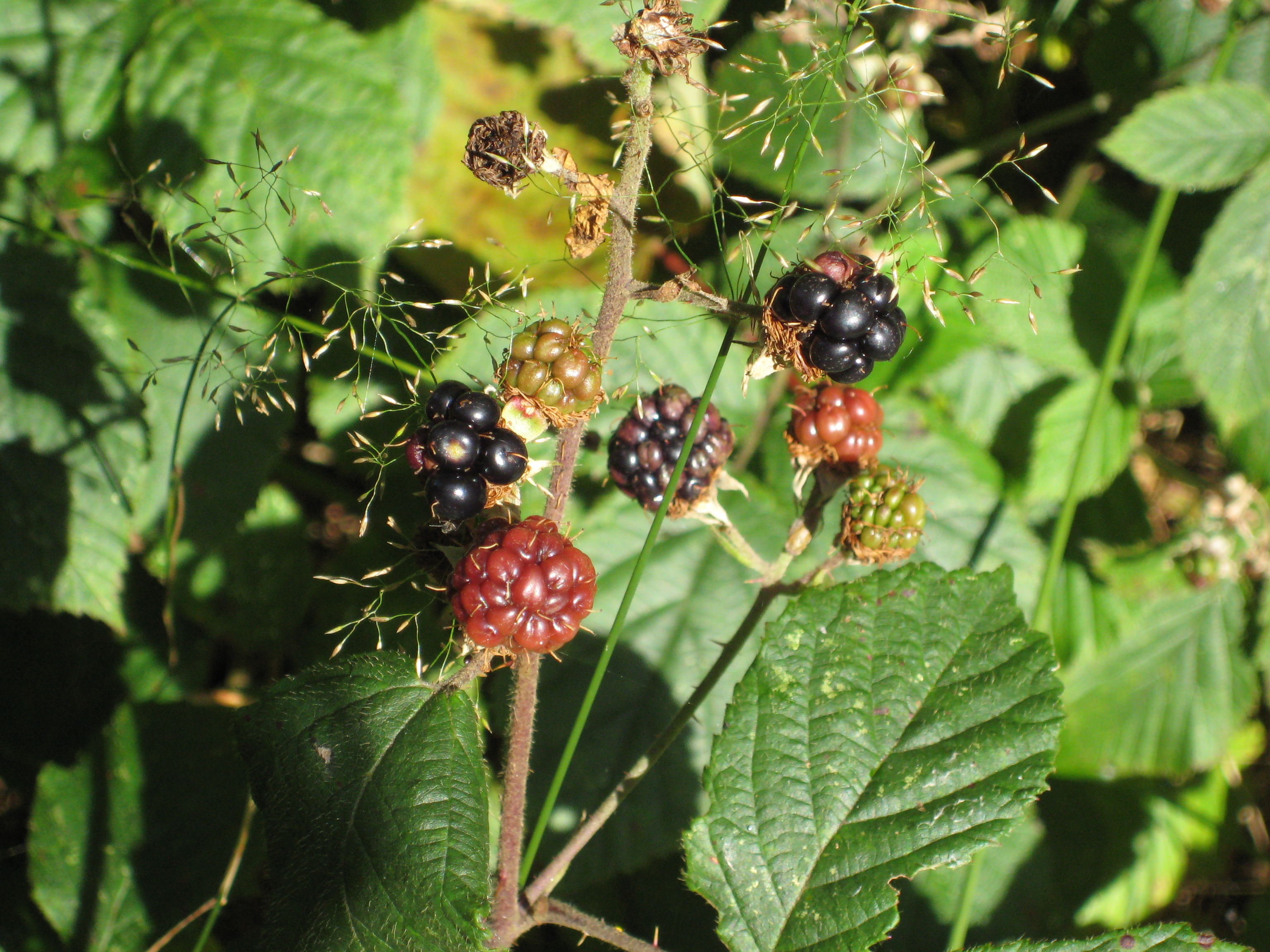 Bramble / Blackberry
(Rubus fruticosus)
Bramble / Blackberry
(Rubus fruticosus)
This plants probably brings back more childhood memories than any
other. We all remember going Blackberry picking with family or friends,
getting covered in the sweet sticky juice. The Bramble is an
important habitat for many insects, including many species of moths
and butterflies.
Rhododendron
(Rhododendron)
Ferns
Hard Fern
(Blechnum spicant)
Polypody
(Polypody vulgare)
Bracken
(Pteridium aquilinum)
There are large areas of Bracken close to Fernbank. It's most infamous
resident is the Tick. They lurk there waiting for a passing mammal,
and then jump aboard to take a drink.
Grasses
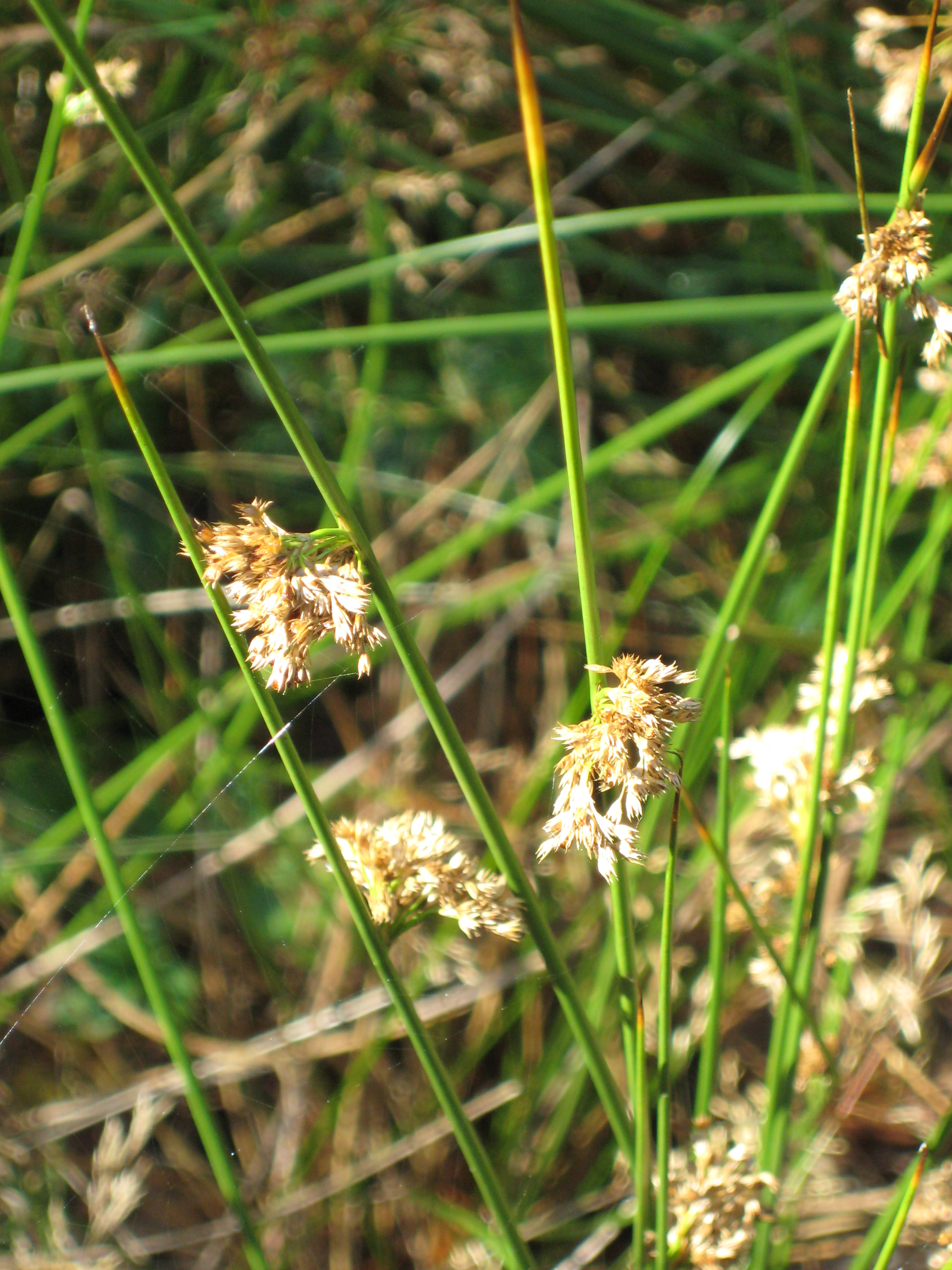 Compact Rush
(Juncus conglomeratus)
Compact Rush
(Juncus conglomeratus)
I have to admit that grasses are not one of my best subjects, so this
identification needs confirming. Whatever the species, it is widespread
throughout the wood on the rides and at the side of Main Drive.
Flowers
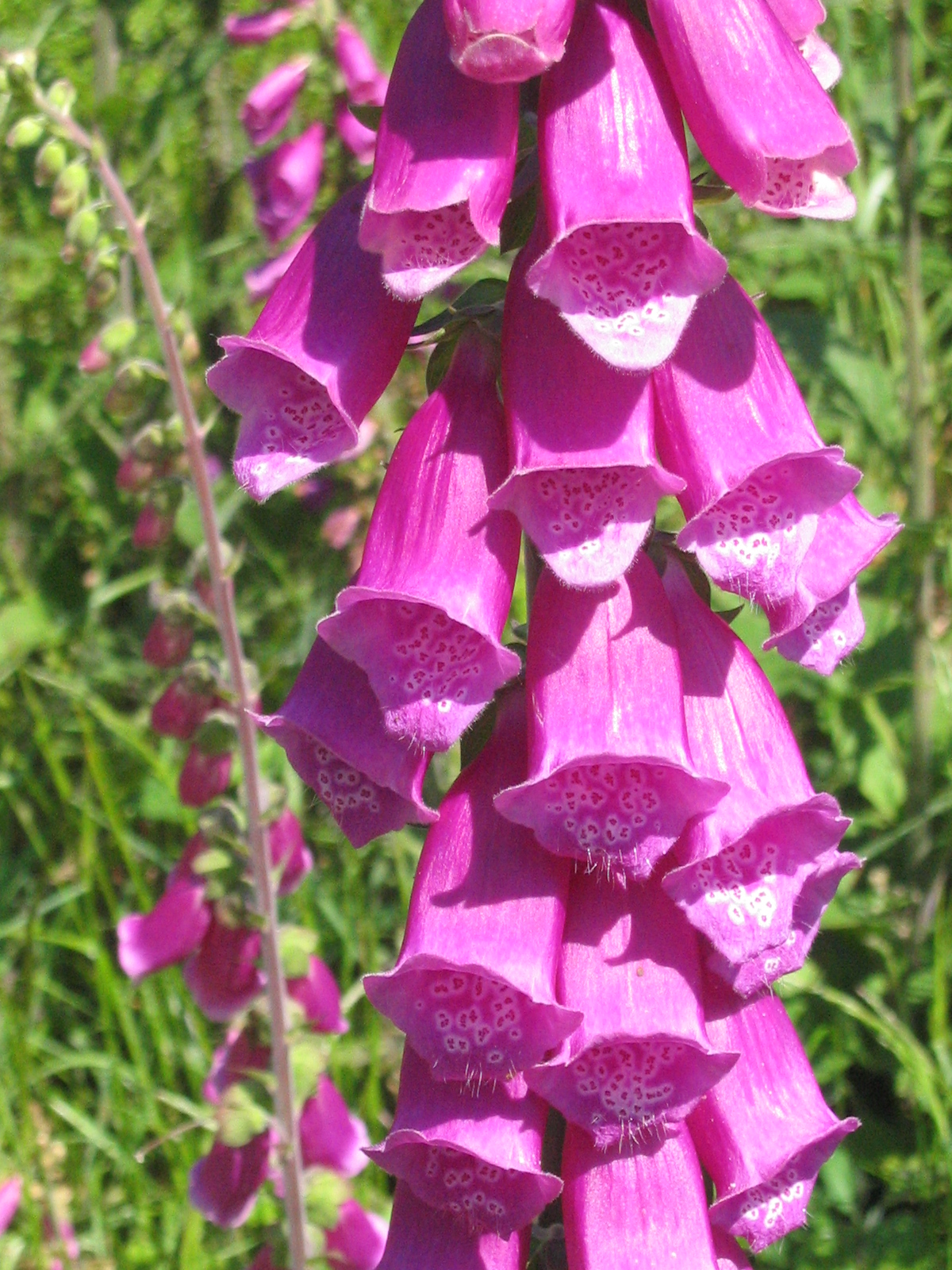 Foxglove
(Digitalis purpurea)
Foxglove
(Digitalis purpurea)
Used to treat heart disease, this showy flower also provides food
for many insects, especially bees. These can now be seen along each
of the rides and also all along Main Drive.
Bugle
(Ajuga reptans)
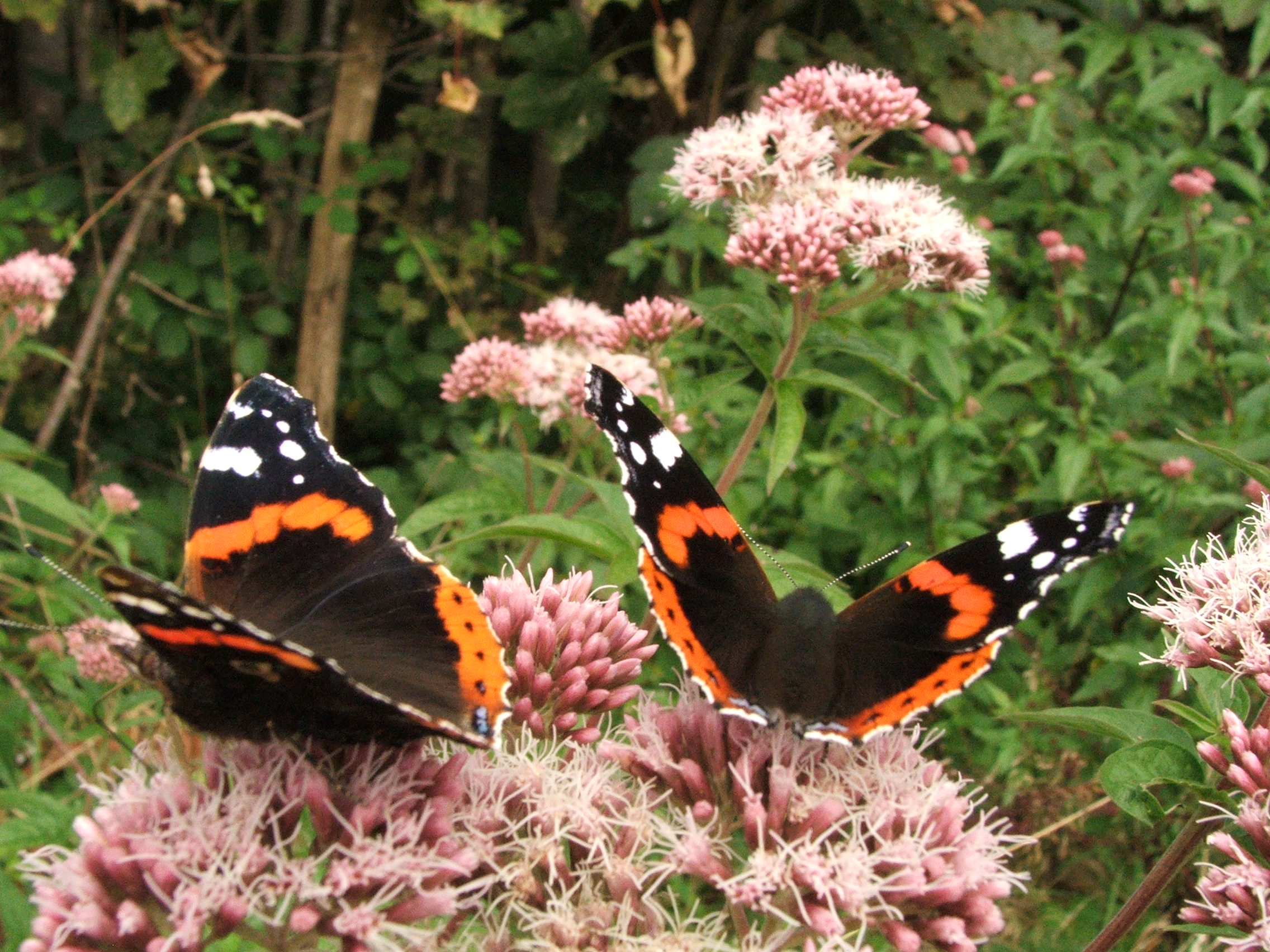 Hemp Agrimony
(Valeriana officinalis)
Hemp Agrimony
(Valeriana officinalis)
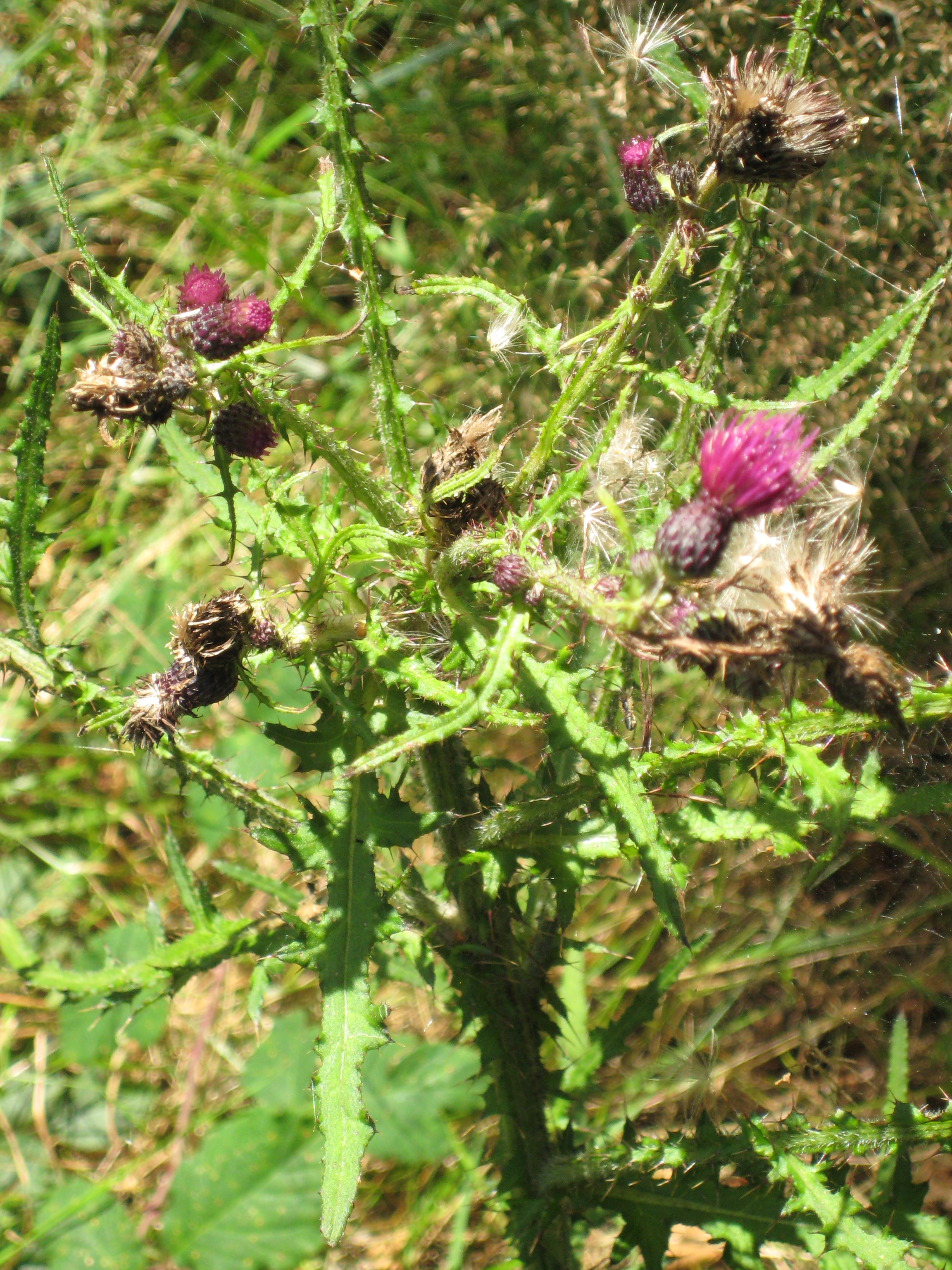 Spear Thistle
(Cirsium vulgare)
Spear Thistle
(Cirsium vulgare)
Starting to appear along all the rides, but quickly established itself
first in The Hollies and is a favourite food of Goldfinches.
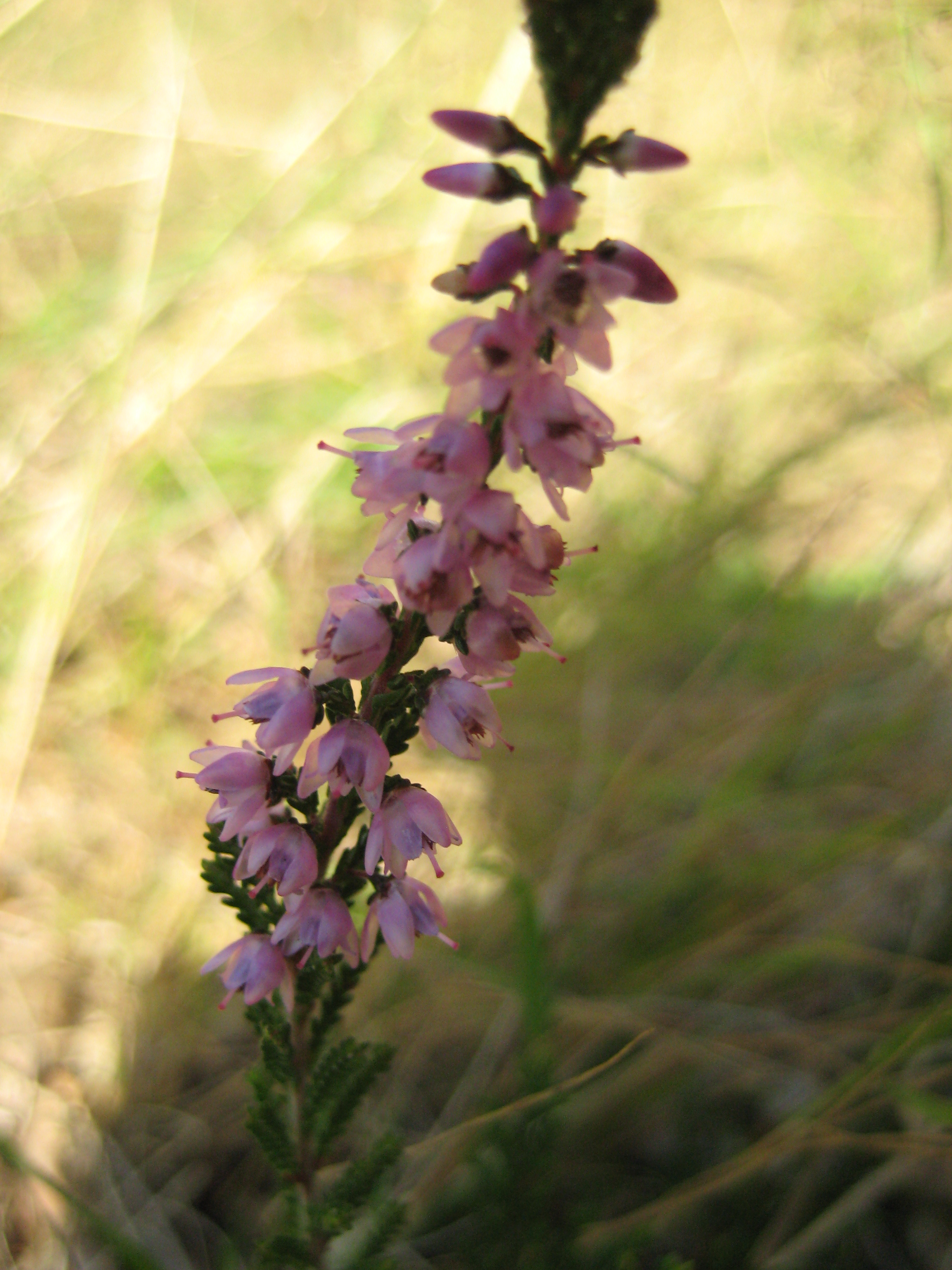 Heather
(Calluna vulgaris)
Heather
(Calluna vulgaris)
Starting to appear in various places, but is easiest to spot at
Fernbank where it makes a welcome contrast to the Gorse.
Fungi
Sulphur Tuft
(Hypholoma fasiculare)